Course detail
Insulin Awareness and Blood Glucose Monitoring
This theory-based course explains how insulin and blood glucose monitoring fit into safe, person-centred diabetes support. It is intended for carers, senior care workers, registered nurses and managers in care homes, domiciliary care, supported living and other adult social care services in England. Learners explore common risks, monitoring methods, recognition of low and high glucose, escalation, documentation, delegation and everyday support.
Topics
24
Duration
1.5h
Quiz pass mark
100%
Course structure
Learning path
Topics are completed in order before the final assessment unlocks.
Course Description
1. Understanding diabetes
2. The role of insulin
3. Legal and regulatory responsibilities
4. Person-centred assessment and care planning
5. Consent, capacity and independence
6. Factors affecting blood glucose
7. Blood glucose monitoring basics
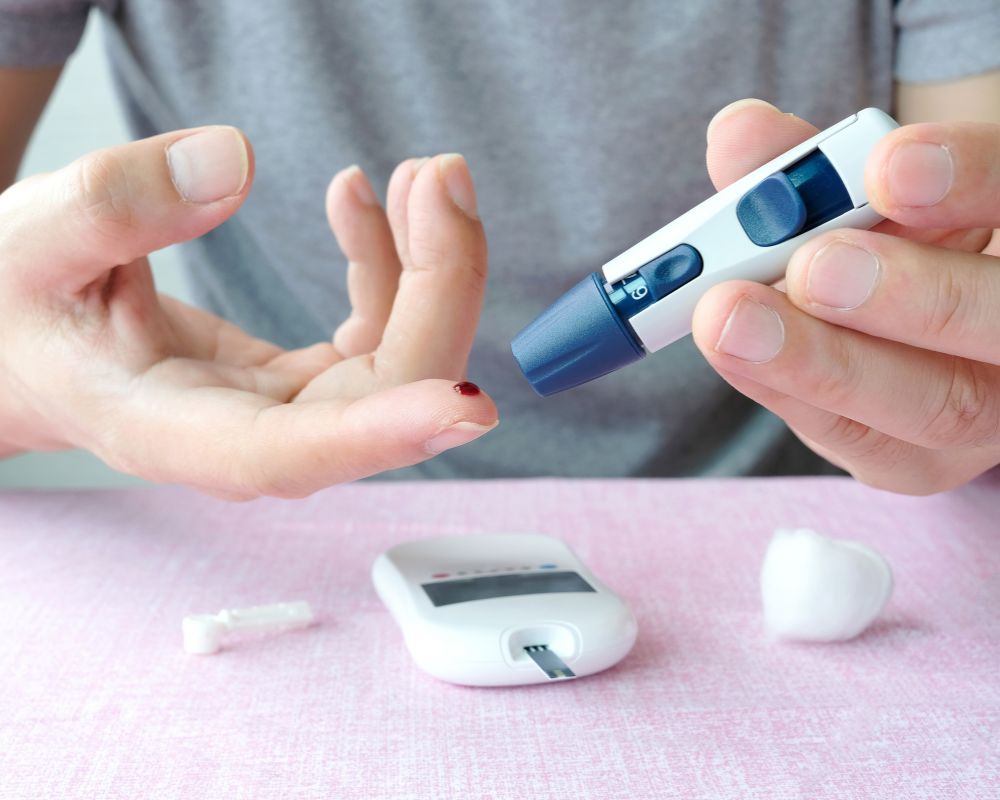
8. Finger-prick capillary testing
9. Continuous glucose monitoring
10. Understanding readings and trends
11. Recognising hypoglycaemia
12. Responding to hypoglycaemia
13. Recognising hyperglycaemia
14. Diabetic ketoacidosis and hyperosmolar crisis
15. Illness, missed meals and sick-day support
16. Insulin medicine safety
17. Delegation and accountability
18. Nutrition, meals and activities
19. Infection prevention, sharps and equipment
20. Documentation and professional handover
21. Care settings: practical considerations
22. Practical scenarios and escalation
23. Key learning points
Final quiz
Final step20 questions and 100% required to pass and receive the certificate.